Benefits of Quality Sleep
Explore the science-backed advantages of restorative sleep, organized by topic


For Kids
Growth & brain development

For Adults
Productivity & health

For Seniors
Cognitive protection & safety

For Athletes
Recovery & performance
Cognitive Function & Memory
Sleep is not a passive state of rest. It is an active period during which your brain consolidates memories, clears metabolic waste, and reorganizes neural connections. Without adequate sleep, learning, decision-making, and creative thinking all suffer measurably.
How Sleep Consolidates Memory
- Declarative memory consolidation (facts and events) occurs primarily during deep slow-wave sleep (N3), when the hippocampus replays the day's experiences and transfers them to long-term cortical storage
- Sleep spindles in Stage N2 act as a gating mechanism that protects newly formed memories from interference and facilitates their integration with existing knowledge networks
- Procedural memory (motor skills and habits) is strengthened during both N2 and REM sleep, which is why musicians and athletes often perform better after a night of sleep than after an equivalent period of waking practice
- REM sleep drives creative problem-solving by forming novel associations between distantly related concepts. A Harvard study found that participants were 33% more likely to discover hidden rules in pattern-recognition tasks after REM-rich sleep
- 24 hours of sleep deprivation impairs cognitive performance to a degree equivalent to a blood alcohol concentration of 0.10%, which exceeds the legal driving limit in most countries (Williamson & Feyer, 2000, Occupational and Environmental Medicine)
- Working memory capacity declines by 38% after just one night of poor sleep, according to research published in Nature Neuroscience, directly affecting the ability to hold and manipulate information in real time
The research is unequivocal: sleep is not optional for cognitive function. It is the mechanism through which your brain processes, organizes, and retains the information you acquire during waking hours.
Physical Recovery & Repair
Your body's most intensive repair processes are tightly regulated by sleep. Growth hormone secretion, protein synthesis, and tissue regeneration all peak during deep sleep stages, making sleep the single most effective recovery tool available.
Key Findings
- Up to 75% of daily growth hormone is released during deep slow-wave sleep (N3), making this stage essential for muscle repair, bone density maintenance, and cellular regeneration (Van Cauter et al., JAMA)
- Protein synthesis rates increase significantly during sleep, particularly in the first half of the night when deep sleep dominates. This is when damaged muscle fibers are repaired and strengthened
- Tissue repair and cell turnover accelerate during sleep because the body redirects energy away from waking functions (digestion, locomotion, thermoregulation) toward restorative processes
- Chronic sleep restriction (fewer than 6 hours) reduces the anabolic hormone environment by lowering growth hormone and testosterone levels while elevating cortisol, creating a catabolic state that impairs recovery
- Bone remodeling follows a circadian rhythm closely linked to sleep, with osteoblast activity (bone formation) peaking during nighttime rest. Disrupted sleep has been associated with lower bone mineral density
Mental Health & Emotional Regulation
REM sleep functions as overnight emotional therapy. During REM, the brain reprocesses emotionally charged experiences in a neurochemically safe environment, with norepinephrine (the stress chemical) at its lowest levels. This allows you to retain the memory of an event while stripping away its emotional sting.
What the Research Shows
- Sleep deprivation increases depression risk by 2.5 times and anxiety risk by a comparable margin. A meta-analysis in Sleep Medicine Reviews found a bidirectional relationship: poor sleep triggers mental health issues, and mental health issues disrupt sleep
- Amygdala reactivity increases by approximately 60% after sleep deprivation, according to fMRI research by Matthew Walker's lab at UC Berkeley. Without sleep, the brain reverts to a more primitive pattern of emotional reactivity, disconnecting the amygdala from the prefrontal cortex
- REM sleep recalibrates emotional circuits by replaying distressing experiences while norepinephrine is suppressed, effectively decoupling the memory from its fight-or-flight activation. This is why difficult events feel more manageable after a good night of sleep
- Cognitive Behavioral Therapy for Insomnia (CBT-I) has been shown to be as effective as prescription sleep medication in the short term and more effective in the long term, with the added benefit of also reducing symptoms of depression and anxiety (Lancet Psychiatry, 2016)
- Suicidal ideation is significantly correlated with sleep disturbance independent of depression, suggesting that sleep problems are an independent risk factor warranting direct clinical attention
Prioritizing sleep is one of the most impactful steps you can take for emotional resilience and long-term mental health.
Heart & Cardiovascular Health
Sleep provides the only sustained period during which your cardiovascular system can truly rest. During deep sleep, heart rate slows, blood pressure drops, and blood vessels undergo repair. Chronically cutting this recovery period short has serious consequences for heart health.
Evidence for Cardiovascular Benefits
- Blood pressure dips 10-20% during deep sleep, a phenomenon known as "nocturnal dipping." This nightly reduction gives the heart and blood vessels critical recovery time. People who fail to dip have significantly higher rates of cardiovascular events and stroke
- Sleeping fewer than 6 hours per night increases heart disease risk by 48%, according to a meta-analysis of over 470,000 participants published in the European Heart Journal (Cappuccio et al., 2011)
- Hypertension and short sleep are tightly linked: a large-scale study found that adults sleeping fewer than 5 hours per night had a 60% greater risk of developing hypertension compared to those sleeping 7-8 hours
- The daylight saving time study provides a striking natural experiment. In the spring, when clocks move forward and most people lose an hour of sleep, hospitals report a 24% increase in heart attacks the following Monday. In the autumn, when an hour is gained, heart attacks decrease by 21% (Sandhu et al., Open Heart, 2014)
- Coronary artery calcification is more prevalent among short sleepers. Each additional hour of sleep per night was associated with a 33% reduced likelihood of calcium buildup in arteries, a key marker of atherosclerosis (JAMA, 2008)
Sleep Architecture & Cycles
Sleep is not a uniform state. It is composed of distinct stages that cycle throughout the night, each serving different biological functions. Understanding this architecture explains why both the quantity and the timing of sleep matter.
The Four Stages of Sleep
- Stage N1 (Light Sleep): The transition from wakefulness to sleep, lasting 1-5 minutes. Muscle tone begins to relax, and slow eye movements occur. You can be easily awakened, and may experience hypnic jerks
- Stage N2 (Intermediate Sleep): Accounts for approximately 50% of total sleep time. Heart rate and body temperature drop. This stage features sleep spindles (bursts of rapid neural oscillations) and K-complexes, both critical for memory consolidation and sensory gating
- Stage N3 (Deep / Slow-Wave Sleep): The most physically restorative stage. Delta brain waves dominate. Growth hormone surges, tissue repair accelerates, and the glymphatic system clears metabolic waste (including beta-amyloid) from the brain. Extremely difficult to wake from this stage
- REM Sleep (Rapid Eye Movement): The brain becomes highly active while the body is temporarily paralyzed (atonia). This is where most vivid dreaming occurs. REM is essential for emotional processing, creative problem-solving, and procedural memory consolidation
How Cycles Progress Through the Night
- Each sleep cycle lasts approximately 90 minutes, and a typical night contains 4-6 complete cycles. However, the composition of each cycle shifts as the night progresses
- The first half of the night is dominated by deep sleep (N3). The longest and most intense periods of slow-wave sleep occur in cycles 1 and 2. This is why going to bed late can disproportionately rob you of restorative deep sleep, even if your total sleep time remains the same
- The second half of the night is dominated by REM sleep. REM periods lengthen with each successive cycle, with the longest and most vivid episodes occurring in the final 1-2 cycles before waking
- Completing full cycles matters. Waking up mid-cycle (especially during N3) causes significant sleep inertia, that disoriented, groggy feeling. Timing your alarm to coincide with the end of a cycle (in multiples of roughly 90 minutes from when you fall asleep) can dramatically improve how rested you feel
Immune System Function
Sleep and the immune system have a bidirectional relationship. Sleep strengthens immune defenses, and immune activation (such as during infection) increases the drive to sleep. Consistently short sleep undermines your body's ability to fight pathogens and may even reduce the effectiveness of vaccines.
Why Sleep Is Essential for Immunity
- T-cell adhesion and function improve during sleep. A 2019 study in the Journal of Experimental Medicine found that sleep enhances the ability of T-cells to attach to and destroy virus-infected cells by increasing integrin activation. Even a few hours of sleep deprivation significantly reduced this capacity
- Sleeping fewer than 7 hours triples the risk of catching a cold. In a controlled study by Sheldon Cohen's lab at Carnegie Mellon University, participants who slept fewer than 7 hours were 2.94 times more likely to develop a cold after being directly exposed to the rhinovirus than those sleeping 8 or more hours (Archives of Internal Medicine, 2009)
- Vaccine effectiveness is sleep-dependent. Research has consistently shown that sleep-deprived individuals produce fewer antibodies in response to vaccination. In one study, participants who slept only 4 hours per night for 6 nights before receiving a flu vaccine produced less than 50% of the normal antibody response, and this deficit persisted even after subsequent recovery sleep
- Cytokine production is disrupted by sleep loss. Protective cytokines (signaling proteins that coordinate immune response) are produced and released during sleep. Chronic sleep deprivation suppresses this production while simultaneously elevating pro-inflammatory cytokines, creating a state of chronic low-grade inflammation
- Natural killer (NK) cell activity drops with poor sleep. NK cells are the immune system's first line of defense against cancer cells and viral infections. Studies show that a single night of sleeping only 4 hours results in a 70% reduction in NK cell activity
Hormonal Balance & Metabolism
Sleep orchestrates a complex hormonal symphony that governs appetite, blood sugar regulation, stress response, and metabolic rate. Disrupting sleep throws these systems into disarray, creating conditions that promote weight gain, insulin resistance, and metabolic syndrome.
How Sleep Regulates Key Hormones
- Leptin and ghrelin are inversely affected by sleep loss. Leptin (the satiety hormone that tells you to stop eating) decreases with short sleep, while ghrelin (the hunger hormone that drives appetite) increases. The result: sleep-deprived individuals consume an average of 300-500 additional calories per day, with a particular craving for high-carbohydrate, high-fat foods
- Insulin sensitivity drops by approximately 30% after just 4 nights of restricted sleep (4.5 hours per night), according to research published in Annals of Internal Medicine. At this level of impairment, otherwise healthy young adults show a pre-diabetic metabolic profile
- Cortisol dysregulation is a hallmark of chronic sleep deprivation. Normally, cortisol follows a predictable circadian curve: high in the morning and low at night. Sleep loss flattens this curve, elevating evening cortisol levels by up to 37%, which promotes visceral fat storage, muscle catabolism, and immune suppression
- Thyroid function is tightly linked to sleep quality. Thyroid-stimulating hormone (TSH) surges during early sleep, and disrupted sleep patterns have been associated with altered TSH profiles, subclinical hypothyroidism, and impaired basal metabolic rate
- Testosterone levels decline with insufficient sleep. A University of Chicago study found that healthy young men who slept only 5 hours per night for one week experienced a 10-15% reduction in testosterone levels, equivalent to 10-15 years of aging (JAMA, 2011)
Athletic Recovery & Performance
Sleep is increasingly recognized as the most important and most underutilized performance-enhancing tool in sport. The research demonstrates that extending sleep beyond the minimum produces measurable, significant improvements in speed, accuracy, and injury resistance.
- The Stanford basketball study is one of the most cited sleep-extension experiments in sports science. When players extended their sleep to a minimum of 10 hours per night for 5-7 weeks, sprint times improved by 4.5%, free throw accuracy increased by 9%, and three-point accuracy increased by 9.2%. Reaction times shortened and players reported significantly improved physical and mental well-being (Mah et al., SLEEP, 2011)
- Injury rates increase dramatically with short sleep. A study of adolescent athletes found that those who slept fewer than 8 hours per night were 1.7 times more likely to suffer an injury compared to those sleeping 8 or more hours (Milewski et al., Journal of Pediatric Orthopaedics, 2014)
- Reaction time degrades predictably with sleep loss. Research published in SLEEP demonstrated that moderate sleep restriction (6 hours per night for 2 weeks) produced reaction-time impairments equivalent to 48 hours of total sleep deprivation
- Peak physical performance occurs with 7-9 hours of sleep. VO2 max, time-to-exhaustion, grip strength, and vertical jump all decline measurably with sleep restriction, while extending sleep beyond baseline improves all of these metrics
Longevity & Disease Prevention
The relationship between sleep duration and all-cause mortality follows a U-shaped curve, with both short and excessively long sleep associated with increased risk. However, chronically sleeping fewer than 6 hours per night carries particularly severe long-term health consequences.
Sleep, Aging, and Disease
- All-cause mortality risk increases significantly with short sleep. A meta-analysis of 1.3 million participants published in SLEEP found that individuals sleeping fewer than 6 hours per night had a 12% greater risk of death from any cause compared to those sleeping 7-8 hours
- Alzheimer's disease and the glymphatic system. During deep sleep, the brain's glymphatic system (a waste-clearance pathway) becomes up to 10 times more active than during waking hours, flushing out beta-amyloid and tau proteins, the toxic metabolites that accumulate into the plaques and tangles characteristic of Alzheimer's disease. Poor sleep in midlife is now considered a significant modifiable risk factor for dementia (Xie et al., Science, 2013)
- Telomere maintenance is linked to sleep quality. Telomeres, the protective caps on chromosomes that shorten with aging, erode more rapidly in poor sleepers. A 2012 study in PLoS ONE found that older adults sleeping fewer than 7 hours had significantly shorter telomeres, suggesting accelerated biological aging at the cellular level
- Cancer risk increases with disrupted sleep. The World Health Organization classified nighttime shift work as a probable carcinogen (Group 2A) based on evidence linking circadian disruption to increased rates of breast, prostate, and colorectal cancer. Short sleep duration is independently associated with increased cancer risk in multiple large-scale epidemiological studies
- Type 2 diabetes risk rises substantially with chronic sleep restriction. Multiple prospective studies have found that sleeping fewer than 6 hours per night increases the risk of developing type 2 diabetes by 28-48%, independent of other risk factors such as obesity and physical inactivity
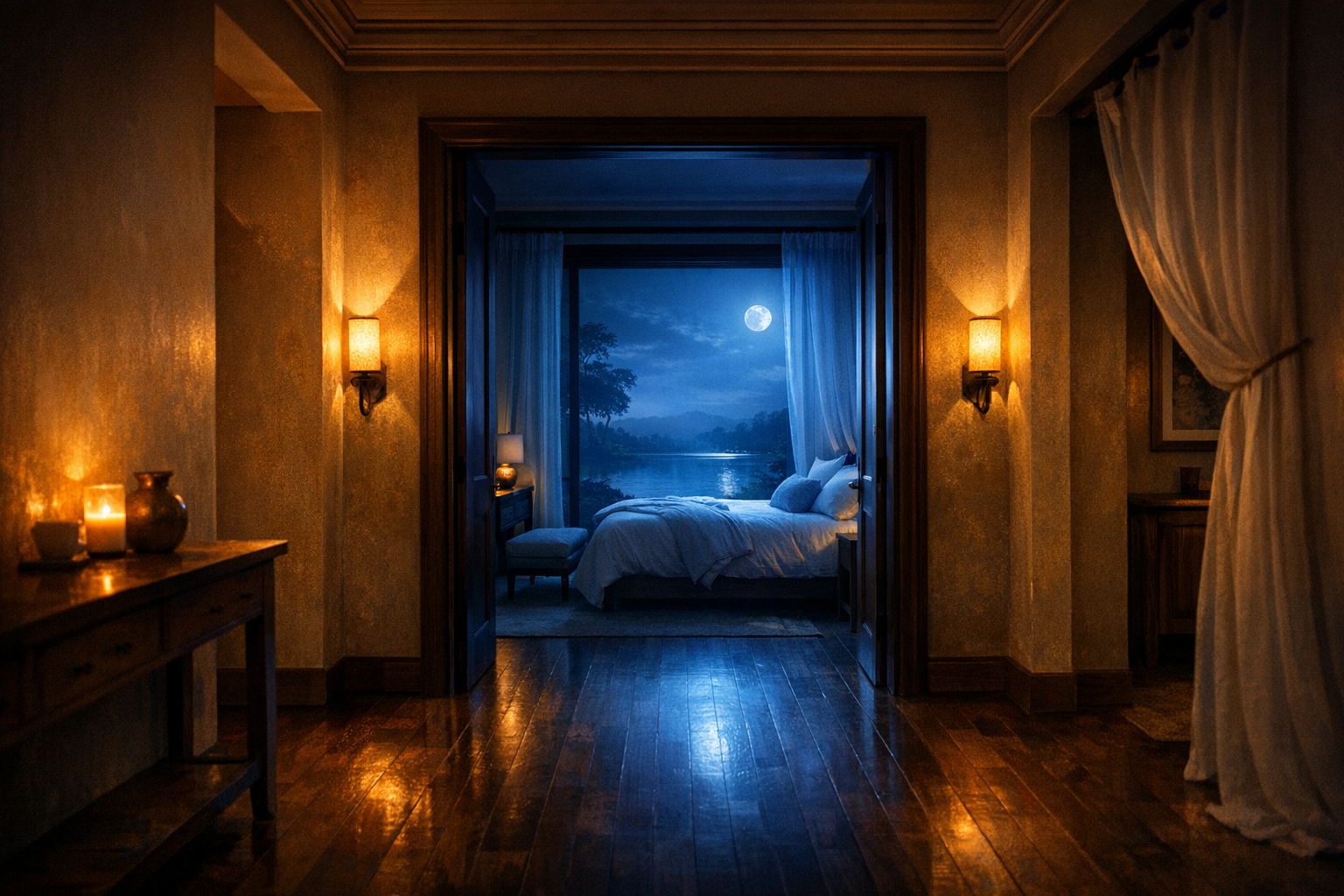
Sleep Improvement Guide: 10 Steps to Better Sleep
Improving your sleep does not require medication or expensive equipment. These 10 evidence-based steps, ordered by impact and ease of implementation, can transform your sleep quality within weeks.
Step-by-Step Sleep Optimization
- Keep a consistent schedule: Wake up at the same time every day, including weekends. Your circadian clock cannot shift on demand. Irregular sleep schedules cause "social jet lag" that disrupts every downstream biological process. Consistency is the single most powerful sleep intervention
- Get morning sunlight: Expose yourself to bright natural light for 15-30 minutes within the first hour of waking. This anchors your circadian rhythm by triggering a cortisol pulse and setting a precise timer for melatonin release approximately 14-16 hours later. On overcast days, you still receive far more lux outdoors than from indoor lighting
- Create a cool, dark bedroom: Set your bedroom temperature to 65-68 degrees Fahrenheit (18-20 degrees Celsius). Your core body temperature must drop by approximately 2-3 degrees Fahrenheit to initiate and maintain sleep. Use blackout curtains or a sleep mask to eliminate light, which suppresses melatonin even at low levels
- Limit caffeine: Consume no caffeine after 2:00 PM. Caffeine has a half-life of approximately 6 hours, meaning that a coffee at 3:00 PM still leaves 50% of its caffeine active in your system at 9:00 PM. Even if you can "fall asleep fine," caffeine measurably reduces deep sleep quality
- Avoid alcohol before bed: While alcohol is a sedative that helps you lose consciousness faster, it is not sleep. Alcohol fragments sleep architecture, suppresses REM sleep by 20-40%, triggers sympathetic nervous system activation in the second half of the night, and causes early-morning awakenings
- Stop screens 1 hour before bed: Blue light in the 450-490nm wavelength range suppresses melatonin production by up to 50% and delays its release by up to 90 minutes. If screen avoidance is impractical, use blue-light-blocking glasses or device-level night mode, though eliminating screens entirely remains the most effective approach
- Establish a wind-down routine: Create a consistent 30-60 minute pre-sleep ritual that signals to your brain that sleep is approaching. Effective practices include reading (physical books), light stretching, journaling, meditation, or taking a warm bath or shower (the subsequent body cooling actually accelerates sleep onset)
- Exercise regularly but not within 3 hours of bed: Regular exercise improves sleep quality, increases deep sleep, and reduces sleep onset latency. However, vigorous exercise within 3 hours of bedtime elevates core body temperature and stimulates the sympathetic nervous system, both of which oppose sleep onset. Morning or early afternoon exercise is optimal
- Try magnesium or tart cherry juice: Magnesium glycinate (200-400mg before bed) supports GABA receptor function, helping calm the nervous system. Tart cherry juice is a natural source of melatonin and has been shown to increase sleep time by an average of 84 minutes in clinical trials. Consult your physician before starting any supplement
- Consider CBT-I if problems persist: Cognitive Behavioral Therapy for Insomnia is the gold-standard, first-line treatment recommended by the American Academy of Sleep Medicine, the American College of Physicians, and the European Sleep Research Society. It is more effective than medication in the long term, has no side effects, and is now available through validated digital programs
Looking for sleep-supportive products like blackout curtains, magnesium supplements, or blue-light-blocking glasses? Healthspan.mu offers a curated selection of evidence-based sleep and wellness products.
Frequently Asked Questions
The National Sleep Foundation recommends the following sleep durations by age: newborns (0-3 months) need 14-17 hours; infants (4-11 months) need 12-15 hours; toddlers (1-2 years) need 11-14 hours; preschoolers (3-5 years) need 10-13 hours; school-age children (6-13 years) need 9-11 hours; teenagers (14-17 years) need 8-10 hours; young adults and adults (18-64 years) need 7-9 hours; and older adults (65+) need 7-8 hours. Individual variation exists, but consistently sleeping fewer than 7 hours as an adult is associated with measurable health consequences. The small percentage of people who genuinely function well on fewer than 6 hours carry a rare genetic mutation (DEC2) found in less than 1% of the population.
Sleep consists of four stages that repeat in approximately 90-minute cycles. Stage N1 is the lightest phase, a brief transition lasting 1-5 minutes. Stage N2 is a deeper state featuring sleep spindles and K-complexes, accounting for about 50% of total sleep. Stage N3 (deep or slow-wave sleep) is the most physically restorative phase, dominated by delta waves, during which growth hormone is released and the glymphatic system clears brain waste. REM (Rapid Eye Movement) sleep is when the brain is highly active, vivid dreams occur, and emotional memories are processed, while voluntary muscles are temporarily paralyzed. The first half of the night is richer in deep sleep, while the second half contains longer REM periods.
Normal sleep latency (the time it takes to fall asleep) is 10-20 minutes. If you fall asleep instantly, you are likely sleep-deprived. If it takes longer than 30 minutes consistently, consider these strategies: keep a strict wake time to build adequate sleep pressure; avoid screens for at least one hour before bed; keep the bedroom cool (65-68 degrees Fahrenheit); try the "cognitive shuffle" technique (randomly visualize unrelated objects to prevent rumination); practice 4-7-8 breathing (inhale 4 seconds, hold 7, exhale 8); and critically, if you cannot sleep after 20 minutes, get out of bed and do a quiet activity in dim light until you feel sleepy. Lying awake in bed trains your brain to associate the bed with wakefulness rather than sleep.
Napping can be beneficial or counterproductive depending on duration and timing. A 20-minute power nap (limited to stages N1 and N2) provides a measurable boost to alertness, mood, and cognitive performance without causing grogginess. A 90-minute nap includes a full sleep cycle with deep sleep and REM, which can aid learning and emotional processing. Naps between 30-60 minutes often lead to significant sleep inertia because you wake from deep sleep. The key rule: avoid napping after 3:00 PM, as late naps reduce sleep pressure (adenosine) and can make it harder to fall asleep at your normal bedtime. If you rely on daily naps to function, it may indicate insufficient nighttime sleep.
Consumer wearable sleep trackers (such as the Oura Ring, Apple Watch, Whoop, and Fitbit) are reasonably accurate for measuring total sleep time and sleep-wake detection (approximately 85-90% agreement with polysomnography, the clinical gold standard). However, they are significantly less accurate at distinguishing individual sleep stages, particularly light sleep versus deep sleep, where accuracy can drop to 50-60%. They are useful for tracking trends over time (such as identifying that you consistently sleep less on work nights) but should not be treated as clinical diagnostic tools. Polysomnography, which uses EEG, EOG, and EMG sensors, remains the only method capable of precisely staging sleep. Also be aware of "orthosomnia," a condition where anxiety about tracker data actually worsens sleep.
Sleep hygiene refers to the set of behavioral and environmental practices that promote consistent, restorative sleep. The core principles include: maintaining a consistent sleep-wake schedule (even on weekends); creating a sleep-conducive environment (cool, dark, quiet); limiting caffeine and alcohol, especially in the hours before bed; establishing a calming pre-sleep routine; reserving the bed exclusively for sleep and intimacy; getting regular physical activity; managing light exposure (bright light in the morning, dim light in the evening); and avoiding long or late naps. While sleep hygiene alone may not resolve clinical insomnia, it forms the necessary foundation upon which all other sleep interventions build. Think of it as the baseline habits that give your body the best possible conditions for sleep.